Old Penmanship Diary Sheets: Vintage Handwriting for Modern Projects
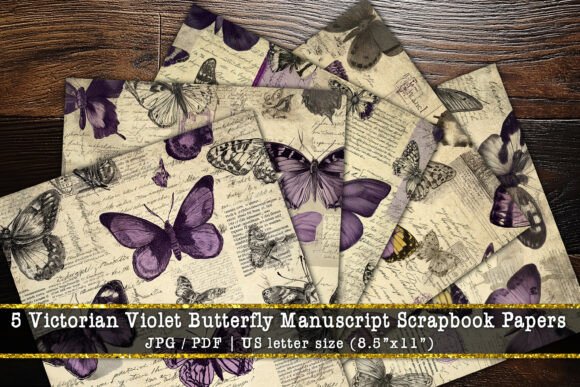
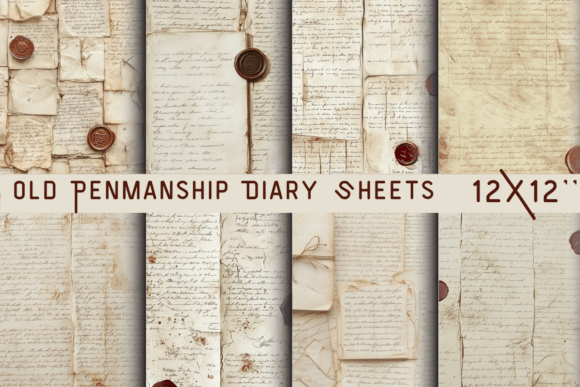
There’s a particular warmth to an old diary page. The slight unevenness of the ink, the elegant loops of a practiced cursive hand, the faint ghost of thoughts committed to paper decades ago. This is the essence captured in the Old Penmanship Diary Sheets collection—a digital asset designed to bring that authentic, handwritten character into your contemporary creative work. It’s not just a font; it’s a curated set of backgrounds, a texture, a mood. Each of the twelve high-resolution PNG files offers a complete scene: aged paper layered with sepia-toned scripts, faded diary entries, and the subtle grain of antique ink.
Understanding the Aesthetic: More Than Just a Typeface
When we talk about a design asset like Old Penmanship Diary Sheets, we're discussing a complete visual language. The personality here is one of quiet sophistication, nostalgia, and literary depth. The color palette—sepia brown, aged beige, faded ink black, warm cream, and muted grey—immediately sets a timeless, neutral tone. These aren't bright, modern hues; they are the colors of history, of leather-bound books and well-loved letters. The visual texture is paramount. You’re not getting a flat, digital script. You’re getting the feel of old paper, the slight bleed of ink, and the organic imperfections that make handwriting feel human and real. This makes it a powerful tool for creating an immediate emotional connection, evoking a sense of heritage, authenticity, and personal storytelling.
This collection functions less like a traditional script font you’d type with, and more like a set of premium design assets. Think of it as pre-designed ephemera. The 12" x 12" dimensions at 300 DPI make them perfect for physical print projects where crisp quality is non-negotiable. The opaque backgrounds mean they can stand alone as a full page or be used as a foundational layer in a digital composition. This versatility is key for designers who need assets that integrate seamlessly into both print and digital workflows.
Practical Applications: Where Vintage Writing Truly Shines
The true value of any creative asset lies in its application. Old Penmanship Diary Sheets are exceptionally versatile, but they excel in specific contexts where their unique character can add the most value. For crafters and hobbyists, they are a natural fit for junk journals, scrapbooking, and heritage crafts. Imagine using a sheet as the background for a family photo album page, or cutting out individual diary entries to use as decorative labels or storytelling elements. The aged aesthetic provides an instant sense of history to personal projects.
For entrepreneurs, marketers, and brand strategists, this collection can be a secret weapon for crafting a distinctive brand identity. If your brand story is rooted in tradition, craftsmanship, or artisanal quality, these sheets can inform your packaging design, editorial design for lookbooks, or social media graphics. A bakery using these textures on their menu or a boutique hotel incorporating them into their stationery immediately communicates a sense of timeless elegance and attention to detail. It’s a way to build brand recognition through a consistent, evocative visual style that stands apart from clean, minimalist trends.
For publishers and content creators, the sheets are invaluable for setting a mood. A blogger writing about historical fiction, a podcaster creating cover art for an episode about the past, or an author designing a book cover for a memoir will find these backgrounds provide the perfect, authentic backdrop. They help establish visual hierarchy by creating a rich, textured base that allows overlaid text or graphics to pop with clarity. The key is to use them as a supporting element that enhances, rather than competes with, your primary message.
Making It Work: Guidance for Effective Use
Integrating a strong stylistic asset like this requires thoughtful execution. First, consider readability. The cursive scripts and faded entries are beautiful, but they are part of the background texture. For any essential body text or important information, you must pair these sheets with a clean, highly legible sans serif font or a simple serif font. This creates a necessary contrast and ensures your message is communicated clearly. The vintage sheets set the scene; your chosen typeface delivers the information.
Evaluating project fit is crucial. Ask yourself: does the project’s narrative align with the themes of history, personal reflection, and antique elegance? A tech startup’s homepage might clash, but a law firm specializing in estate planning could use it beautifully in their heritage-focused brochure. Always test your font pairing on a mockup before committing. Place your chosen modern typography over one of the diary sheet designs to see if the hierarchy works and if the overall feel is cohesive.
Finally, understand the asset’s strengths for commercial use. The high resolution and professional DPI make these sheets suitable for commercial printing—from stationery to art prints. When using them in a commercial project, ensure you are adding significant original design value. Use them as a background layer, a textured element, or a source of visual inspiration, but combine them with your own unique creative direction, typography, and layout. This approach respects the asset’s design while making your final project distinctly your own.
In the end, Old Penmanship Diary Sheets offer more than just a vintage look. They provide a bridge to the past, a tool for adding depth and narrative to your work. By understanding their aesthetic core, applying them to the right projects, and pairing them with thoughtful design choices, you can leverage these assets to create work that feels both timeless and genuinely personal.