Hand Drawn Wildflowers Line Art: Organic Elegance for Modern Projects
In a digital world saturated with clean vectors and perfect geometry, there's a growing hunger for authenticity. We crave textures that feel human, imperfections that tell a story, and designs that breathe. This is precisely where Hand Drawn Wildflowers Line Art finds its purpose. It's not just a collection of images; it's a digital design asset that captures the delicate, organic beauty of the natural world. Imagine the soft curve of a petal, the intricate detail of a stamen, the gentle sway of a stem—all rendered with the authentic, slightly imperfect touch of a human hand. This style bridges the gap between digital precision and artistic warmth, offering a versatile tool for creators who want their work to feel both polished and personal.
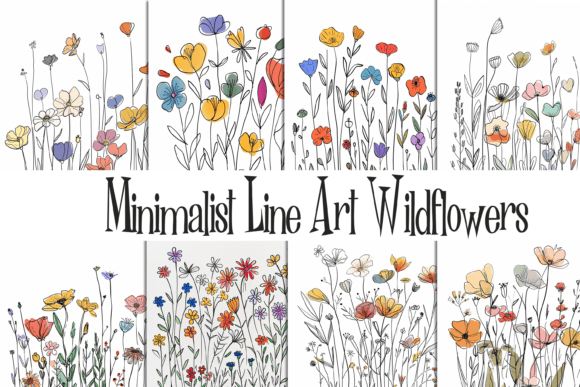
Visualizing this asset is key. Think of it as a set of high-resolution digital papers, each featuring a composition of wildflowers drawn in a fine, elegant line art style. The personality is unmistakable: gentle, sophisticated, and timeless. It avoids the boldness of a display font or the starkness of a sans serif font, instead embracing the quiet grace of a script font or handwritten font. The appeal lies in its versatility. The intricate details provide visual interest without overwhelming a layout, while the consistent line weight ensures cohesion. As a premium font alternative for backgrounds, it offers a unique texture that can anchor a design, add depth, or serve as a subtle, elegant frame for other content.
Where This Organic Style Truly Shines
The applications for Hand Drawn Wildflowers Line Art span a remarkable range, making it a valuable addition to any designer's toolkit. Its strength lies in its ability to adapt to the desired tone of a project, from professional to deeply personal.
- Branding & Identity: For businesses in wellness, beauty, artisanal goods, or eco-conscious spaces, this style is a perfect match. It can be used as a background texture for logo design presentations, a subtle pattern on business cards, or the defining element of a brand identity system. It communicates care, natural quality, and attention to detail.
- Publishing & Editorial Design: In editorial design, it transforms a simple page into a work of art. Use it as a decorative border for a book cover, a chapter opener illustration, or a full-page background for a magazine feature on gardening, poetry, or lifestyle topics. It adds a layer of visual storytelling.
- Digital & Web Design: As a website background, it can set a serene mood for a blog, an online portfolio, or a product page for handmade jewelry. In social media graphics, it provides a beautiful, non-distracting backdrop for quotes, announcements, or product photos, instantly elevating the perceived value of the content.
- Packaging & Print: For packaging design, particularly for candles, soaps, teas, or specialty foods, the wildflower line art adds a charming, artisanal touch. It works equally well for wedding invitations, thank you cards, or stationery sets, lending a handcrafted elegance that printed materials often strive for.
Making the Most of Your Design Asset
Integrating a powerful visual element like this requires thoughtful execution. Simply dropping it onto a canvas isn't enough. Here’s how to ensure it enhances, rather than complicates, your work.
First, consider visual hierarchy and readability. The intricate detail of the line art means it should rarely compete with primary text. Use it as a background behind solid color panels or large, bold typeface choices. A clean, modern serif font or a geometric sans serif font for headlines often pairs beautifully, creating a pleasing contrast between the organic art and structured type. The key is balance—let the art support the message, not obscure it.
Second, evaluate project fit. Ask yourself: does this aesthetic align with my client's voice or my project's core message? A tech startup's annual report might not be the right home, but a sustainable skincare brand's website absolutely is. Test it in context. Create mockups to see how it interacts with your color palette, photography, and overall layout. Does it feel harmonious or disjointed?
Finally, understand the asset's technical specifications. The provided files are high-resolution PNGs at 300 DPI and 12"x12", making them ideal for both digital and print use. The substantial file size ensures no quality loss when scaling. Always review the licensing terms for commercial use to ensure your application is covered. By treating this line art as a considered component of your design assets library—much like you would a carefully chosen creative font—you unlock its full potential to create work that feels intentional, professional, and genuinely beautiful.