Rustic Stone & Tile Junk Journal Kit: Unleash Your Creative Edge
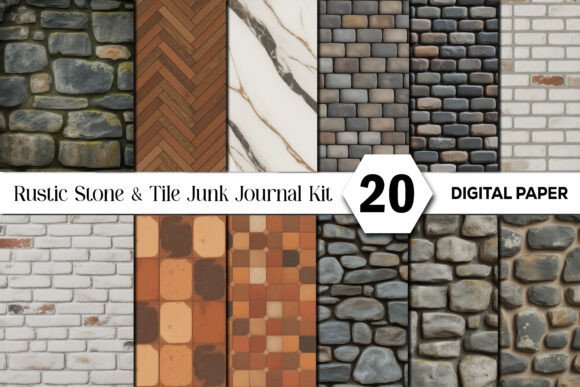
When you’re working on a design project, the background often sets the entire mood. It’s the foundation that either anchors your subject in reality or provides the necessary contrast for it to pop. For those seeking a blend of organic warmth and structural integrity, the Rustic Stone & Tile Junk Journal Kit offers a solution that feels both grounded and versatile. This isn't just a random assortment of textures; it is a curated premium collection featuring realistic simulations of stone, brick, marble, cobblestone, and vintage tile. It captures the essence of natural, earthy tones—think weathered slate, sun-baked clay, and cool, polished marble—that bring an immediate sense of history and substance to your work.
The visual personality of this collection is defined by its authenticity. In a digital world saturated with flat colors and sterile gradients, these textures introduce a tactile quality that resonates with viewers on a subconscious level. The "junk journal" aesthetic implies a layer of complexity and artistic shabby-chic charm, making it ideal for designs that require a vintage or industrial feel. However, the inclusion of cleaner elements like marble and refined tile ensures the kit remains adaptable for modern design projects. Whether you are creating a moody, atmospheric background for a blog post or a sturdy packaging mockup for a boutique brand, the Rustic Stone & Tile Junk Journal Kit provides the visual weight needed to make your content stand out.
Practical Applications for the Modern Creative
Understanding where to deploy these assets is key to maximizing their value. For graphic designers and brand strategists, these backgrounds are invaluable for packaging design and home décor mockups. Imagine presenting a new product line—perhaps artisanal soaps or gourmet spices—against a backdrop of rough cobblestone or clean marble. The texture immediately communicates the quality and origin of the product without a single word of copy. It creates an environment that suggests durability and premium value.
For publishers and content creators, specifically those in the scrapbooking and digital planning niches, the utility is just as high. The high-resolution 300 DPI files ensure that even when zoomed in for intricate designs, the texture remains crisp and professional. Here is how different creatives can integrate these assets:
- Junk Journaling & Scrapbooking: Use the vintage tile or brick patterns as base layers for photo collages, allowing the texture to peek through torn edges and overlays for a cohesive, artistic look.
- Print on Demand (POD): Apply the stone textures to tote bags, journals, or apparel. The seamless nature of high-quality textures allows for all-over prints that feel organic rather than repetitive.
- Social Media Graphics: In the fast-paced world of Instagram and Pinterest, stopping the scroll is vital. A gritty brick background can make a bold typographic quote stand out, providing a "street style" vibe that feels authentic.
- Web Design: While full-page image backgrounds can slow load times, using these textures as section dividers or footer backgrounds adds depth and personality to a website’s user interface.
Designing with Texture: Strategy and Pairing
Using a texture-heavy asset like the Rustic Stone & Tile Junk Journal Kit requires a bit of strategic thinking regarding visual hierarchy and readability. The goal is to let the texture enhance the design, not overpower the message.
When pairing these backgrounds with typography, contrast is your best friend. Because the textures are busy and detailed, you need a typeface that can hold its own. A sans serif font with a bold weight often works best for headlines, as the clean geometric lines cut through the organic chaos of a stone texture. Conversely, if you are going for a vintage apothecary look, a serif font with high contrast can look stunning, provided you use a subtle drop shadow or a semi-transparent overlay to ensure the letterforms remain legible against the grout lines of a brick pattern or the veins of marble.
Consider the emotional resonance of your font pairing. Pairing a rough, distressed brick background with a delicate script font creates a beautiful juxtaposition of masculine and feminine energies—perfect for wedding invitations or boutique branding. Alternatively, combining a sleek marble background with a modern, geometric sans serif font reinforces a sense of luxury, clean living, and sophistication. The key is to treat the background texture as a supporting actor that reinforces the mood set by your primary typography.
Technical Specs and Commercial Viability
From a production standpoint, the Rustic Stone & Tile Junk Journal Kit is built for efficiency and professional use. The files are delivered as high-resolution JPGs at 8.5x11 inches (2550x3300 pixels). This dimension is particularly convenient because it matches standard US Letter size, making it instantly ready for print projects like art prints, planner inserts, or physical collage materials.
For entrepreneurs and small business owners, the "Commercial Use Friendly" license is a significant advantage. It removes the legal friction often associated with sourcing design assets. You can confidently use these backgrounds in client work, sell them as part of a finished POD product, or incorporate them into digital marketing materials without worrying about licensing violations. This allows you to maintain a consistent brand identity across multiple touchpoints—your website, your social media, and your physical packaging can all share a common textural language that builds brand recognition.
Ultimately, the value of this collection lies in its ability to ground your designs in reality. In an era of hyper-polished digital art, adding a layer of gritty, natural texture can make your work feel more human and relatable. Whether you are a hobbyist looking to add depth to your personal art journal or a professional designer needing reliable assets for a branding overhaul, this kit provides the raw materials to build something truly compelling. It is a versatile toolkit that bridges the gap between the digital and the physical, offering endless possibilities for creative expression.